
-
About UsShijiazhuang Xuda Safety Tools Co., LTD. which was established in 1986 , is a professional factory to produce non-spark safety tools in China. Professional technology, advanced producing equipment, scientific processing technique and perfect checking measure guarantee the best quality of xinda non-spark safety tools.

-
ProductsThere are 10 categories,more than 180 series and thousands of types of the tools, all of products are made of Aluminum bronze or beryllium copper, the products have the feature of high rigidity, good tenacity.
-
NewsXinda always sticks to the following enterprise principle:"develop by quality, treat the customers with honesty and credit".We hope that our products can provide more safety and convenience to all of the customers and we welcome all the friends at home abroad to Xinda.
-
ServiceWe can also design and produce the special type products as the customer’s requirement. Xinda always sticks to the following enterprise principle:"develop by quality, treat the customers with honesty and credit". We hope that our products can provide more safety and convenience to all of the customers.
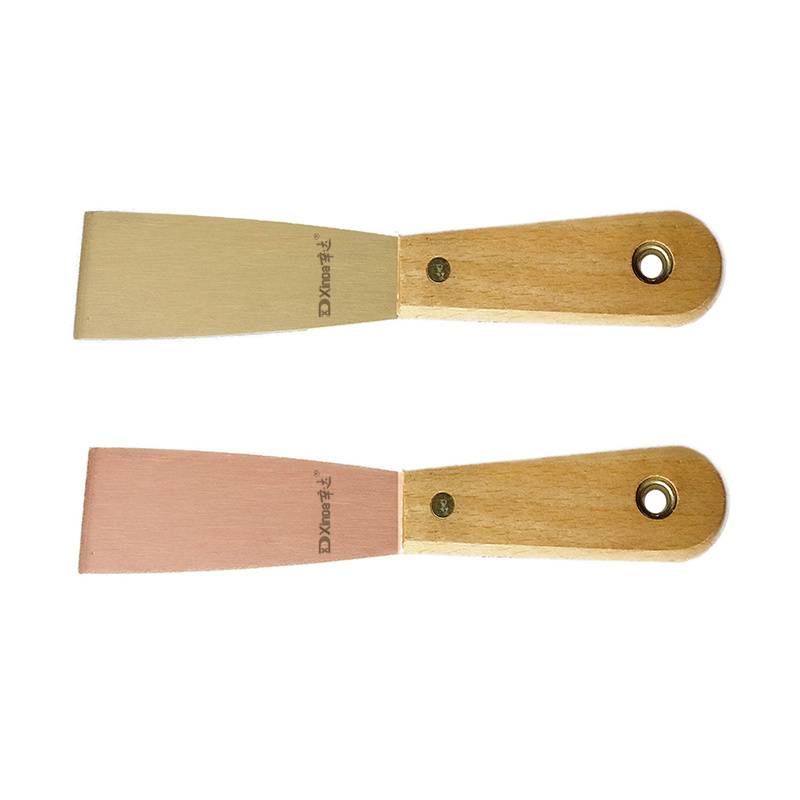
Revolutionizing Tool Safety: The Non-Sparking Putty Knife
Oct 23,2024
Revolutionizing Tool Safety: The Non-Sparking Putty Knife
Table of Contents
- 1. Introduction to Non-Sparking Tools
- 2. Importance of Safety in Hazardous Work Environments
- 3. What is a Non-Sparking Putty Knife?
- 4. Materials Used in Non-Sparking Putty Knives
- 5. Benefits of Using Non-Sparking Putty Knives
- 6. Applications of Non-Sparking Putty Knives
- 7. Comparison with Traditional Putty Knives
- 8. Maintenance of Non-Sparking Putty Knives
- 9. FAQs
- 10. Conclusion
1. Introduction to Non-Sparking Tools
In industries where flammable materials are present, the tools we choose can make a significant difference in job safety. Non-sparking tools, such as the non-sparking putty knife, have been developed to minimize risks associated with sparks that could ignite flammable substances. These tools are essential for professionals working in oil and gas, chemical plants, and other hazardous environments. Understanding their importance can help ensure that safety is prioritized.
2. Importance of Safety in Hazardous Work Environments
Safety should always be the top priority in environments where hazardous materials are handled. According to industry statistics, accidents related to flammable materials can lead to severe injuries or even fatalities. Non-sparking tools serve as a first line of defense against such risks. By reducing the likelihood of sparks, these tools help professionals work more confidently and effectively.
3. What is a Non-Sparking Putty Knife?
A non-sparking putty knife is designed specifically to prevent the generation of sparks during use. This unique feature is crucial when working near combustible materials. Made from materials such as brass or bronze, these putty knives combine durability with safety, making them ideal for a wide range of applications.
4. Materials Used in Non-Sparking Putty Knives
The primary materials used in the construction of non-sparking putty knives include:
- Brass: A copper-zinc alloy that is non-magnetic and non-sparking, making it suitable for environments where ignition risks are present.
- Bronze: Known for its toughness and corrosion resistance, bronze is another excellent choice for non-sparking tools.
- Aluminum: Some non-sparking tools also incorporate aluminum for its lightweight properties, though care must be taken as it can spark under certain conditions.
These materials ensure that the knife performs well while adhering to safety standards.
5. Benefits of Using Non-Sparking Putty Knives
Using non-sparking putty knives offers several advantages:
- Enhanced Safety: The primary benefit is the enhanced safety for workers, preventing ignitions in sensitive environments.
- Durability: These tools are built to withstand rigorous use without compromising their integrity.
- Versatility: Suitable for a variety of applications across different industries, from construction to maintenance.
- Corrosion Resistance: Many non-sparking materials resist corrosion, ensuring longevity and reliability.
These benefits make non-sparking putty knives a smart investment for safety-conscious professionals.
6. Applications of Non-Sparking Putty Knives
The applications of non-sparking putty knives are extensive:
- Oil and Gas Industry: Essential for tasks like sealing and applying compounds in environments where flammable gases are present.
- Chemical Manufacturing: Used in mixing and scraping tasks to prevent the risk of ignition.
- Marine Maintenance: Ideal for use in boat repairs where sparks could ignite fuel vapors.
- Construction: Useful for scraping and applying materials in areas where flammable substances may be present.
These diverse applications highlight the importance of having non-sparking tools readily available in various fields.
7. Comparison with Traditional Putty Knives
When comparing non-sparking putty knives to traditional putty knives, several differences emerge:
- Safety: Non-sparking knives significantly reduce the risk of igniting flammable materials, unlike traditional steel knives.
- Material Composition: Traditional knives are often made from steel, which can produce sparks, while non-sparking knives utilize safer materials.
- Weight: Some non-sparking knives are lighter, making them easier to handle for extended periods.
Understanding these differences can assist professionals in making informed choices about their tools.
8. Maintenance of Non-Sparking Putty Knives
Maintaining non-sparking putty knives is essential for ensuring their longevity and effectiveness. Here are a few tips:
- Regular Cleaning: After use, clean the knife to prevent any buildup of materials that may compromise its effectiveness.
- Inspect for Damage: Regularly check the blade and handle for any signs of wear or damage; replace if necessary.
- Proper Storage: Store the knife in a dry area to prevent corrosion, especially if it contains metallic components.
By following these maintenance tips, you can ensure that your non-sparking putty knife remains in optimal condition.
9. Frequently Asked Questions
1. Are non-sparking putty knives more expensive than traditional knives?
Yes, non-sparking putty knives can be more expensive due to the specialized materials used in their manufacture. However, the investment is justified by the enhanced safety they provide.
2. Can I use a non-sparking putty knife for general household tasks?
Absolutely! While designed for hazardous environments, non-sparking putty knives are versatile enough for general use around the house.
3. How do I clean a non-sparking putty knife?
Use warm soapy water and a soft cloth to clean the knife after use. Avoid abrasive cleaners that could scratch the surface.
4. Do non-sparking tools have a shelf life?
While non-sparking tools do not have a strict shelf life, regular maintenance and proper storage greatly extend their usable life.
5. Are there any specific certifications for non-sparking tools?
Yes, many non-sparking tools are certified according to international safety standards, ensuring they meet specific requirements for use in hazardous environments.
10. Conclusion
The non-sparking putty knife is more than just a tool; it represents a crucial advancement in workplace safety. By understanding its features, benefits, and applications, professionals can make informed decisions that prioritize safety without compromising efficiency. Investing in non-sparking tools is a step towards a more secure working environment, ultimately protecting both workers and assets. As safety standards continue to evolve, embracing innovations like the non-sparking putty knife is essential for those operating in hazardous conditions.
Contact Us
E-mail :
info@xdtools.com
Phone/Wechat/WhatsApp:
+86-15830107628
Address:
Xinleitou Industry, Xinji City, Shijiazhuang City, Hebei Pro.,China.


Request Quote