

-
About UsShijiazhuang Xuda Safety Tools Co., LTD. which was established in 1986 , is a professional factory to produce non-spark safety tools in China. Professional technology, advanced producing equipment, scientific processing technique and perfect checking measure guarantee the best quality of xinda non-spark safety tools.

-
ProductsThere are 10 categories,more than 180 series and thousands of types of the tools, all of products are made of Aluminum bronze or beryllium copper, the products have the feature of high rigidity, good tenacity.
-
NewsXinda always sticks to the following enterprise principle:"develop by quality, treat the customers with honesty and credit".We hope that our products can provide more safety and convenience to all of the customers and we welcome all the friends at home abroad to Xinda.
-
ServiceWe can also design and produce the special type products as the customer’s requirement. Xinda always sticks to the following enterprise principle:"develop by quality, treat the customers with honesty and credit". We hope that our products can provide more safety and convenience to all of the customers.
Exploring the Benefits of Non-Sparking Putty Knife in Hazardous Environments
Oct 27,2024
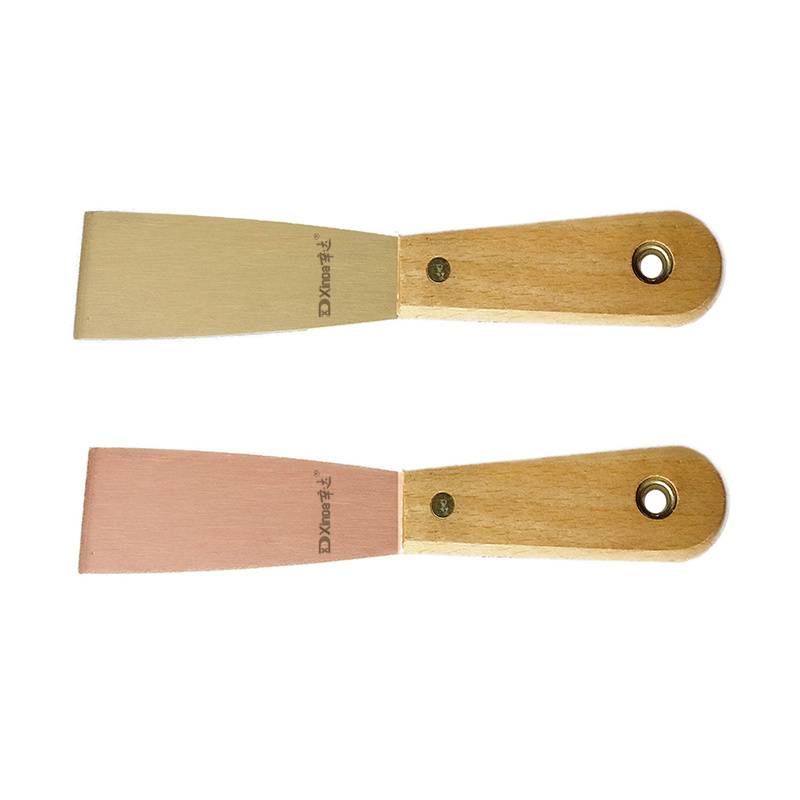
Exploring the Benefits of Non-Sparking Putty Knife in Hazardous Environments
Table of Contents
- Introduction to Non-Sparking Putty Knives
- Understanding Hazardous Environments
- The Importance of Non-Sparking Tools in Safety
- Key Features of Non-Sparking Putty Knives
- Applications of Non-Sparking Putty Knives in Various Industries
- How to Choose the Right Non-Sparking Putty Knife
- Maintenance and Care for Longevity
- Conclusion
- Frequently Asked Questions (FAQs)
Introduction to Non-Sparking Putty Knives
In industries where flammable materials are present, safety is paramount. The right tools can significantly reduce the risk of accidents. One such tool is the **non-sparking putty knife**, designed specifically to prevent ignition sources in potentially explosive environments. This article will explore the advantages of using non-sparking putty knives, their functionalities, and why they should be a staple in any safety-conscious workspace.
Understanding Hazardous Environments
Hazardous environments are defined by the presence of flammable gases, vapors, or dust that can create explosive mixtures. Industries such as oil and gas, mining, and chemical manufacturing frequently encounter these conditions. Understanding the specific risks associated with these environments is crucial for selecting appropriate tools and ensuring worker safety.
The Role of Tools in Hazardous Environments
In these settings, even minor sparks can lead to catastrophic explosions. Therefore, using tools that do not produce sparks is essential. Non-sparking tools, including putty knives, are manufactured from materials such as brass, bronze, or certain alloys to avoid generating sparks upon impact.
The Importance of Non-Sparking Tools in Safety
Non-sparking tools play a critical role in maintaining safety standards in hazardous environments. By eliminating potential ignition sources, these tools help prevent accidents, safeguard personnel, and protect valuable equipment.
Safety Regulations and Compliance
Many regulations govern the use of tools in hazardous environments, including OSHA and NFPA standards. Utilizing non-sparking tools is not only a best practice but often a regulatory requirement. Compliance with these safety standards can protect organizations from legal liabilities and enhance their overall safety record.
Key Features of Non-Sparking Putty Knives
Non-sparking putty knives are designed with several unique features that enhance their usability and safety.
Material Composition
The primary characteristic of non-sparking putty knives is their material composition. Made from non-ferrous metals like aluminum, bronze, or certain composites, these knives are engineered to withstand the rigors of hazardous environments without generating sparks.
Design and Ergonomics
These putty knives often feature ergonomic designs that provide a comfortable grip. An ergonomic handle reduces fatigue during prolonged use, allowing for better control and precision when working in challenging conditions.
Durability and Resistance
Non-sparking putty knives are typically more durable than standard putty knives. They resist wear and corrosion, which is particularly important in environments exposed to chemicals or extreme temperatures. This durability translates to lower long-term costs due to decreased replacement frequency.
Applications of Non-Sparking Putty Knives in Various Industries
Non-sparking putty knives find applications across various industries, each benefiting from their unique safety features.
1. Oil and Gas Industry
In the oil and gas sector, where flammable gases are prevalent, a non-sparking putty knife can be used for various maintenance tasks without posing an ignition risk.
2. Chemical Manufacturing
Chemical plants often deal with volatile substances. Non-sparking putty knives are vital for mixing and applying adhesives or sealants in these facilities.
3. Mining Operations
In mining, where dust and gases can become hazardous, non-sparking tools are essential for ensuring miner safety when performing maintenance or repairs.
4. Marine Applications
The marine industry frequently encounters corrosive environments. Non-sparking putty knives are used to maintain equipment and perform repairs while reducing the risk of sparks.
How to Choose the Right Non-Sparking Putty Knife
Choosing the right non-sparking putty knife involves understanding your specific needs and the environments in which you’ll be operating.
1. Consider Material Type
Select a putty knife made from high-quality non-ferrous materials, ensuring it meets safety standards for your industry.
2. Assess Blade Width and Thickness
The width and thickness of the blade should match the tasks at hand. Wider blades may be more efficient for larger surfaces, while thinner blades are ideal for detail work.
3. Evaluate Handle Comfort
An ergonomic handle can significantly improve comfort and reduce fatigue. Make sure the handle fits well in your hand and allows for a secure grip.
Maintenance and Care for Longevity
Proper maintenance is essential to prolong the life of non-sparking putty knives and ensure their effectiveness.
1. Regular Cleaning
After each use, clean the putty knife to remove any residues. This prevents corrosion and maintains the integrity of the tool.
2. Inspect for Damage
Regularly check the blade for signs of wear or damage. Early detection can prevent further deterioration and ensure safety.
3. Store Properly
Store non-sparking putty knives in a dry place to prevent rust and ensure they remain ready for use when needed.
Conclusion
In hazardous environments, safety must always be a priority, and utilizing the right tools is a key component of that. Non-sparking putty knives not only minimize the risk of ignition but also enhance efficiency and effectiveness in various applications. By understanding their features, benefits, and maintenance requirements, professionals can make informed choices that prioritize safety and compliance. Investing in non-sparking tools is a proactive measure that can save lives, protect property, and ensure a safer working environment.
Frequently Asked Questions (FAQs)
1. What materials are non-sparking putty knives made from?
Non-sparking putty knives are typically made from non-ferrous metals, such as brass, bronze, or certain aluminum alloys, designed to prevent sparks.
2. Why are non-sparking tools important in hazardous environments?
Non-sparking tools are essential in hazardous environments as they eliminate ignition sources that could lead to explosions or fires.
3. Can non-sparking putty knives be used in all industries?
While they are particularly beneficial in industries dealing with flammable materials, non-sparking putty knives can be used in various sectors where safety is a concern.
4. How do I maintain my non-sparking putty knife?
Regular cleaning, inspection for damage, and proper storage are key to maintaining the longevity and effectiveness of non-sparking putty knives.
5. How can I choose the right non-sparking putty knife for my needs?
Consider factors such as material type, blade width and thickness, and handle comfort when selecting a non-sparking putty knife for your specific tasks and environment.
Contact Us
E-mail :
info@xdtools.com
Phone/Wechat/WhatsApp:
+86-15830107628
Address:
Xinleitou Industry, Xinji City, Shijiazhuang City, Hebei Pro.,China.


Request Quote